Humans treated it like a curse. A countdown. A messy way to go. And while it’s admittedly scary to be bitten by anything with a rotting jaw, the bite wasn’t always a death sentence.
Let’s rewind.
When Nobody Knew What the Bite Did (And Everyone Panicked Anyway)
The modern obsession with the zombie bite kicked off in 1968, when Night of the Living Dead shuffled into theaters. It was the first time the media really popularized the idea of the cannibalistic, flesh-eating zombie.
In the early days, as more zombie-related media followed, the bite wasn’t very consistent. Sometimes it made people sick. Sometimes it didn’t. Sometimes people turned without being bitten at all. For decades, zombie stories stayed vague on purpose. The bite floated somewhere between infection, bad luck, and narrative inconvenience.
Then Dawn of the Dead showed up and ruined the ambiguity.
When the Bite Got Promoted to Law
By the early 2000s, audiences wanted rules. Dawn of the Dead (2004) delivered one clean idea and repeated it loudly: if you’re bitten, you die, and then you turn. No bite? No comeback.
That clarity stuck.
From there, zombie media exploded. The Walking Dead. Shaun of the Dead. 28 Days Later. The Last of Us. Different tones, different monsters, same agreement scribbled in the margins:
Once you’re bitten, you’re done.
Some stories argued over timing. Others debated whether the bite killed you or simply flipped a switch that was already there. Eventually, none of that mattered. The rule solidified. The bite meant transformation. Period.
Humans felt better once there was a rule. Rules are comforting. Especially when you’re not the one being bitten.
Fast Forward: The Munch and the Mess We Don’t Like to Talk About
Fast forward to modern times, when a new zombiric virus rampaged through the world and dragged us (screaming, chewing, and extremely confused) to where we are today in Porto Morto.
The early days of the outbreak are now referred to, academically, as The Munch.
This was not a pretty era.
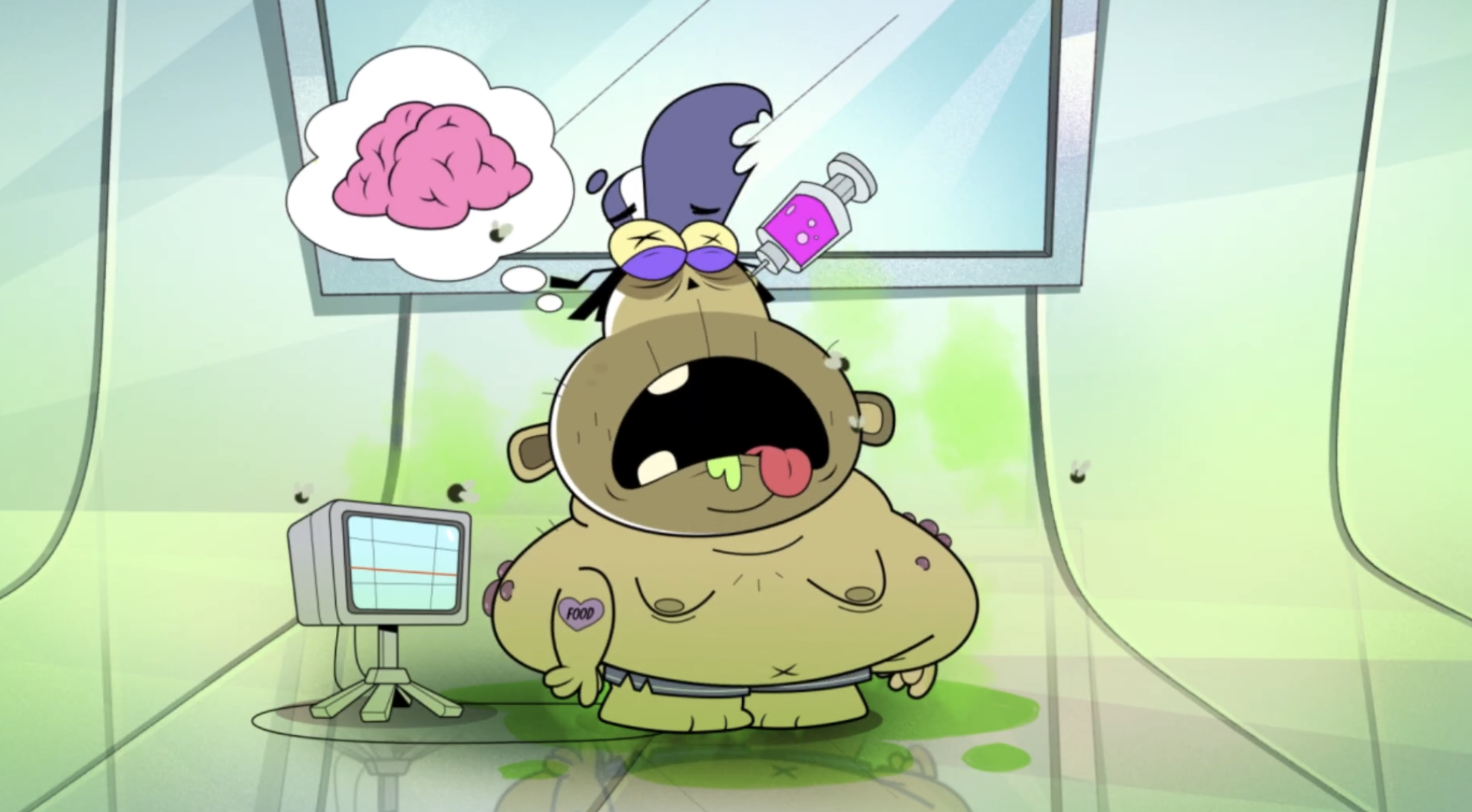
Hunger dominated everything. Not just hunger for flesh, but rather hunger for anything. Food. Objects. Furniture. One guy tried to eat a steering wheel.
Memory blurred. Identity thinned. The bite, during this phase, wasn’t symbolic. It was reflex. Teeth firing before thoughts could catch up.
So how did it all start?
About That Basement Lab Incident
Many people don’t know this, but the zombie virus originated in the homemade lab of Porto Morto’s very own Dr. Noodlebrain.
Let the record show: he did not mean for it to break containment.
He was minding his own business in his basement lab, working on a revenge experiment. Nothing unusual there. Unfortunately, the lab was raided. Also unfortunately, one very hungry officer decided to eat his burrito directly next to an active experiment.
This was a mistake.
One lunch later, the world changed. The virus spread. Civilization fell apart. And Dr. Noodlebrain insists this is still, technically, the officer’s fault.
History is written by the survivors. And occasionally by the scientist who caused it.
Porto Morto and the Bite, Reimagined
Something shifted when the virus reached Porto Morto.
Between mutated soil, questionable fruit, and years of trial, error, and yelling at Noodlebrain, the hunger loosened its grip. Zombies stabilized. They remembered themselves. They remembered each other.
And once hunger stopped running the show, the bite changed.
Teeth stopped being a liability and became an asset.
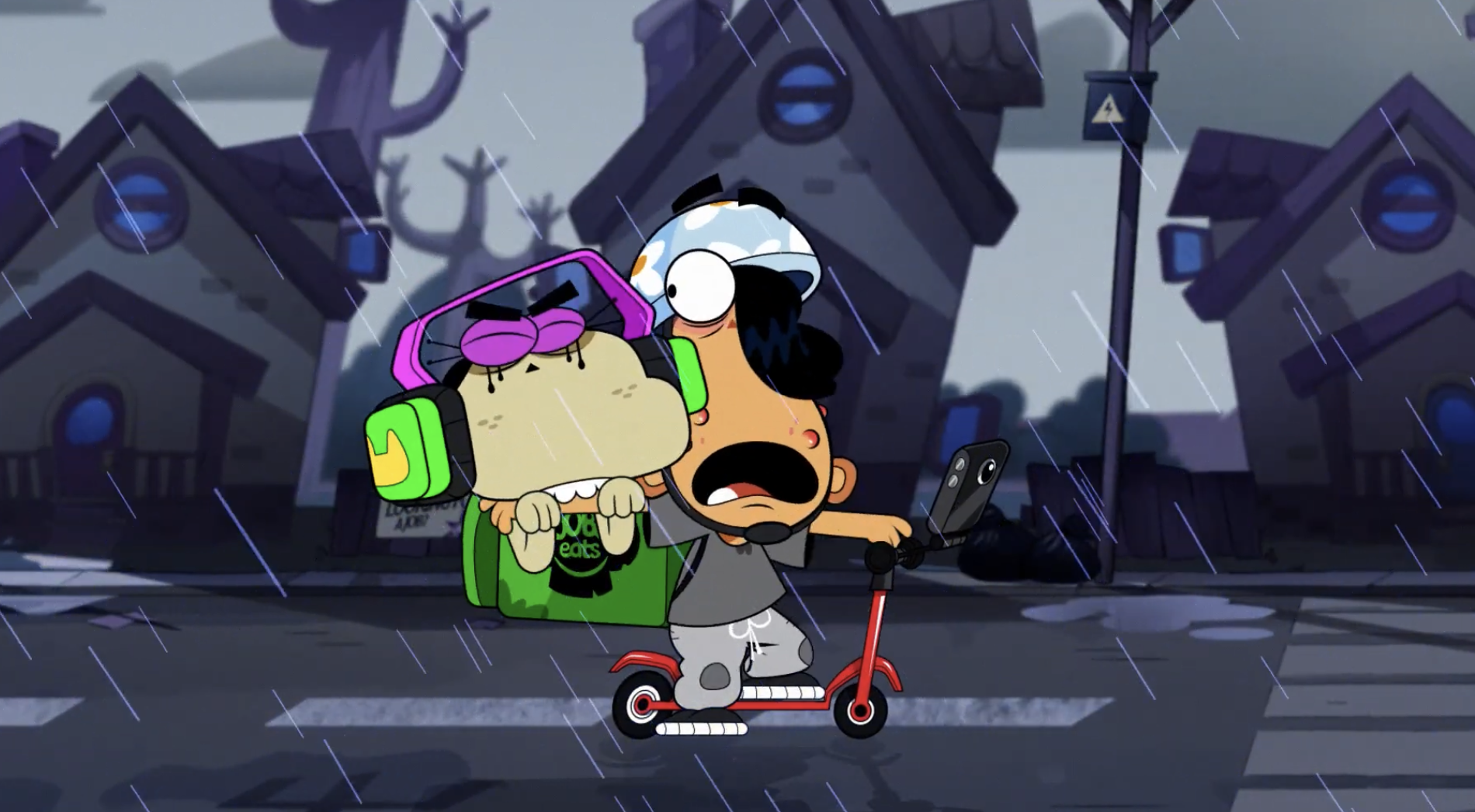
Zombies started using their jaws to haul scrap metal, crack coconuts, rip open stubborn crates, and hold nails in place while building houses. Someone learned to open soda bottles with their teeth. Someone else won a barbecue contest using jaw strength alone. We don’t ask follow-up questions.
The bite became a party trick. A tool. A weird flex at barbecues.
No screaming. No tragedy. Just practical applications of excellent dental work.
From Party Trick to Weapon (Briefly, We Promise)
Then C.A.R.E. arrived.
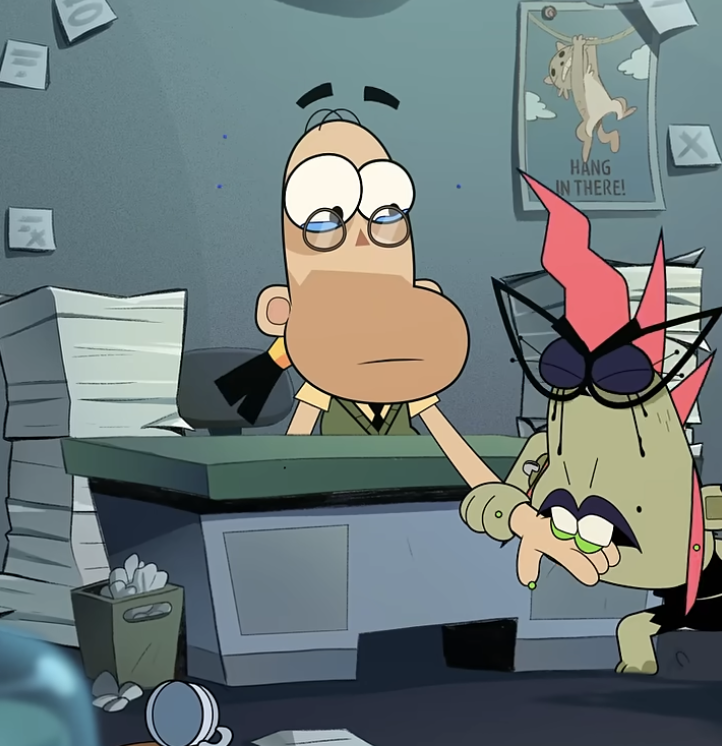
They brought CureBots, containment units, and cheerful pamphlets explaining why freedom was inefficient.
When fists weren’t enough, teeth stepped in.
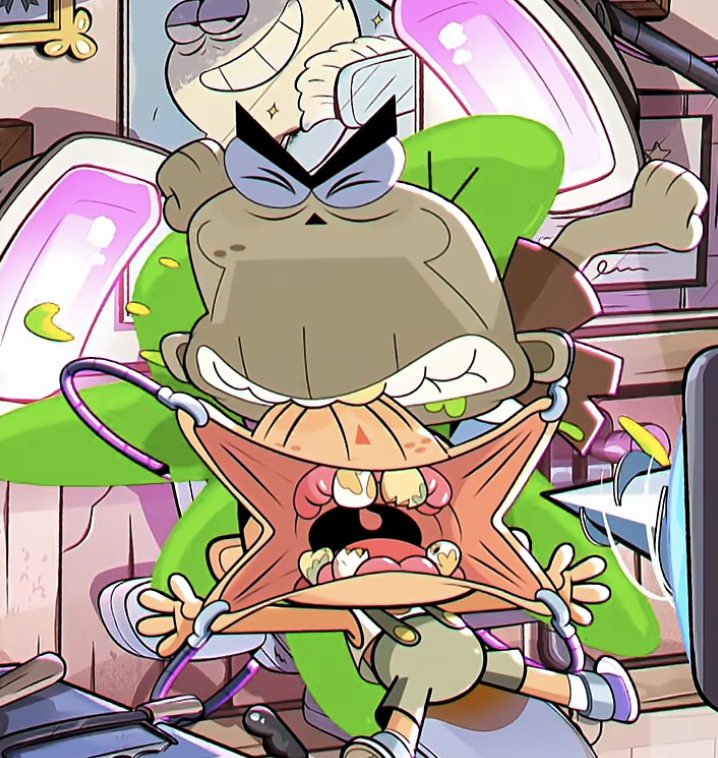
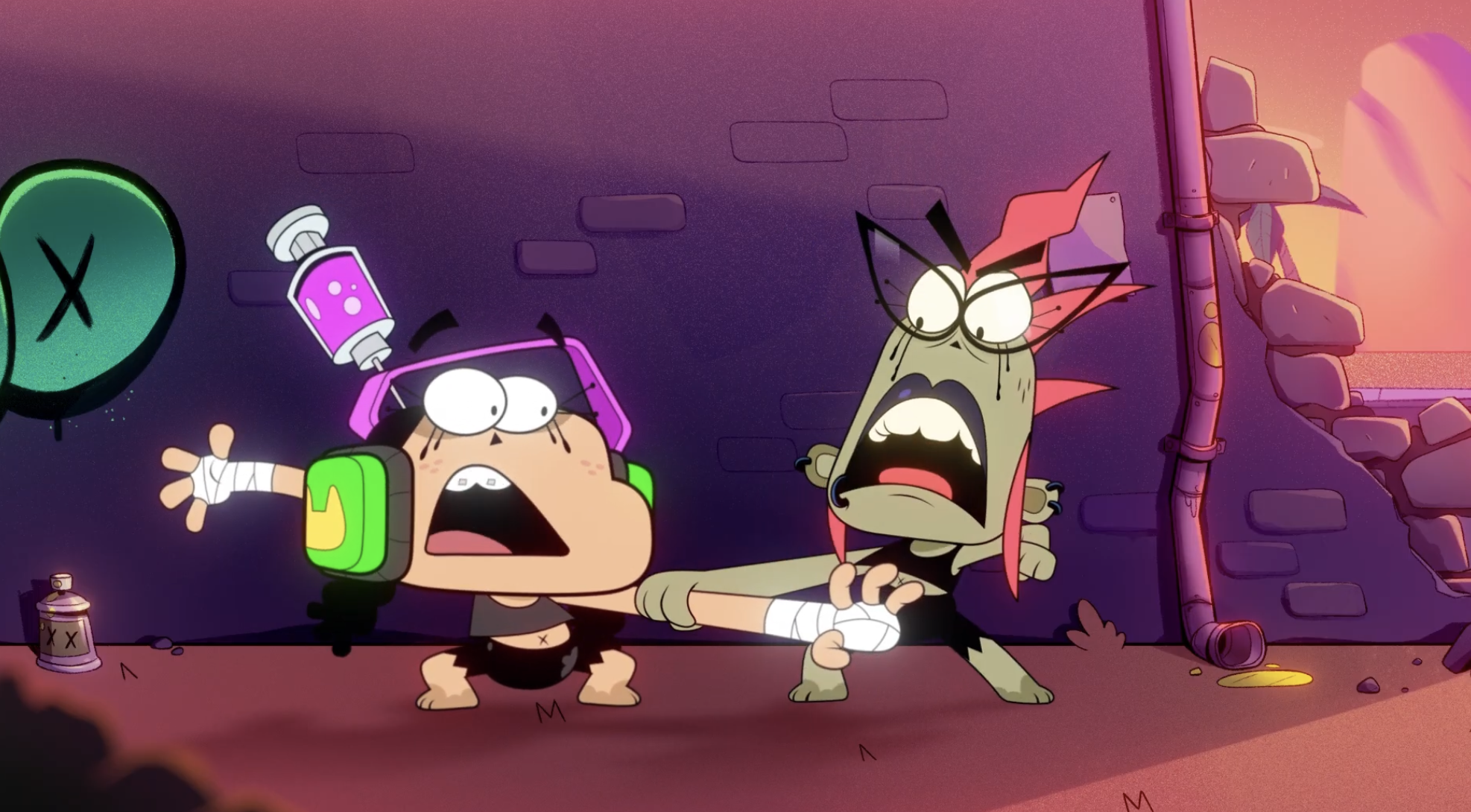
Biting through cables. Tearing armor plating. Yanking neighbors back out of quarantine containment boxes. Turning the cure back on itself.
The zombie bite means autonomy. It means refusal. It means choosing what happens to your body and your afterlife.
It also means fun. We’re dead. We earned it.
Biting in Porto Morto is consensual. Always has been. We like our community intact. If someone wants to stay exactly as they are, that’s the end of the conversation.
But if, someday, a human looks around and decides they want a taste of this tropical afterlife instead…we’re only a bite away.



 EN
EN  ES
ES